
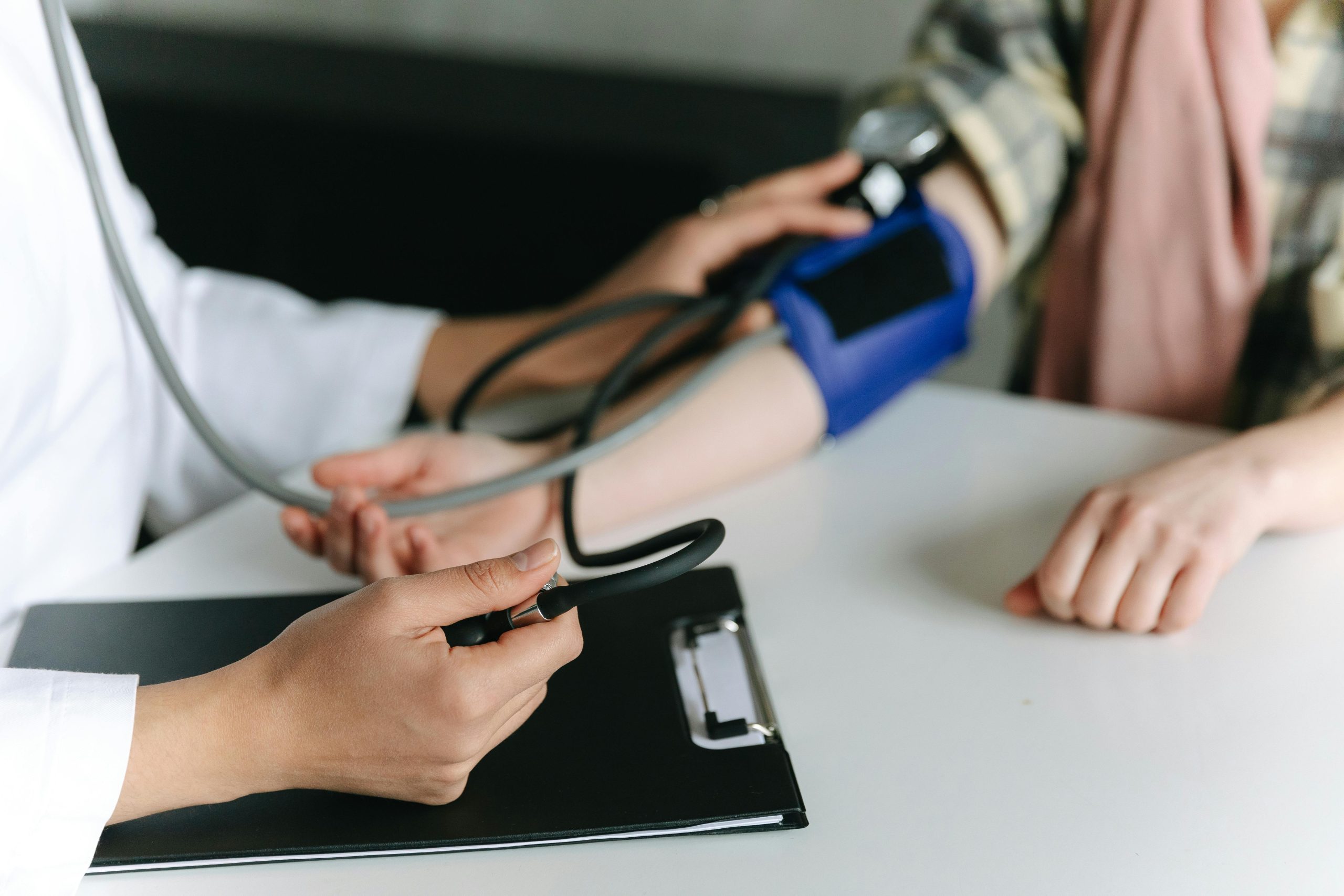
If you’re thinking about testosterone replacement therapy (TRT), you might be wondering if it could raise your blood pressure.
It’s a smart question to ask.
The short answer?
TRT can raise blood pressure in some people, but that’s not the full story.
At Elive Health & Wellness, we believe you deserve clear, honest answers.
Let’s walk through how TRT affects blood pressure, who’s most at risk, and what we do to help keep your heart health on track.
GET EFFECTIVE AND SAFE TRT TREATMENT
What Is TRT and Why Do People Use It?
TRT, or testosterone replacement therapy, is a treatment for people with low testosterone levels.
That might mean struggling with fatigue, low sex drive, brain fog, mood changes, or slow muscle recovery.
TRT helps bring testosterone levels back into balance so you can feel like yourself again.
We offer customized TRT programs here at Elive Health & Wellness, designed to support energy, strength, mental clarity, and overall well-being—while keeping an eye on important things like blood pressure.
Can TRT Raise Blood Pressure?
Yes, it can—but not always.
Some men do see a small increase in blood pressure, especially when starting TRT.
Others notice no change at all.
And in some cases, blood pressure actually improves over time.
It really depends on your overall health, your baseline testosterone levels, and how your body responds to the therapy.
Why Might Blood Pressure Go Up on TRT?
One of the main reasons is a rise in hematocrit, which is the percentage of red blood cells in your blood.
Testosterone stimulates red blood cell production.
That’s usually a good thing—it boosts oxygen delivery and energy—but too much can thicken the blood.
Thicker blood can increase pressure inside your arteries.
Another possible cause is fluid retention.
Some people hold on to extra water and sodium in the early stages of TRT, which can make blood pressure creep up.
These changes are usually mild and manageable, especially when your treatment is monitored closely.
Can TRT Ever Lower Blood Pressure?
Yes, and that might come as a surprise.
Some long-term studies have shown that testosterone therapy can actually help reduce blood pressure—especially in people with obesity, prediabetes, or metabolic issues.
When testosterone levels are balanced, it often leads to fat loss, better insulin sensitivity, and improved sleep.
All of those factors support healthier blood pressure.
Who’s More Likely to See a BP Increase on TRT?
You might be more likely to experience a rise in blood pressure if:
- You already have high blood pressure
- Your hematocrit is high before starting TRT
- You’re overweight or have sleep apnea
- You’re taking a high dose of testosterone
- You’re using other medications that impact blood pressure
But even if you fall into one of these groups, TRT can still be safe with the right monitoring and care—which is exactly what we provide at Elive Health & Wellness.
How to Track Blood Pressure While on TRT
Keeping an eye on your blood pressure during TRT is easier than you might think.
Here are a few ways we help our patients stay informed:
- Use a home blood pressure monitor a few times per week
- Check BP at your regular appointments
- Use a 24-hour ambulatory blood pressure monitor (ABPM) for deeper insights
- Get routine lab work to check hematocrit and other key markers
We include this kind of monitoring in every customized TRT plan we offer, so you’re never guessing what’s going on with your body.
How Elive Health & Wellness Helps You Stay Safe on TRT
We don’t just hand you testosterone and hope for the best.
At Elive Health & Wellness, we take a full-body, full-picture approach.
Before starting TRT, we do a thorough evaluation to understand your baseline.
We check your blood pressure, your blood work, and talk through any risk factors.
Then, we build a plan that fits your unique goals and biology.
Once you begin therapy, we stay with you.
That means regular check-ins, follow-up labs, and adjustments to your dose if needed.
If we see your blood pressure starting to trend upward, we’ll work with you to manage it—whether that means dietary tweaks, hydration, or dose changes.
What You Can Do to Keep Blood Pressure in Check
Want to make TRT even safer for your heart?
Here are a few simple things you can do:
- Drink plenty of water (especially if your hematocrit is rising)
- Cut back on salt and ultra-processed foods
- Exercise regularly—cardio and strength both help
- Limit alcohol and caffeine if your blood pressure is sensitive
- Don’t skip follow-ups or lab appointments
TRT is a tool, and like any tool, it works best when it’s used with care.
So, Does TRT Raise Blood Pressure?
It can—but it doesn’t always.
And when it does, the increase is usually small and manageable.
Some people actually see improvements in blood pressure over time.
The key is knowing your body and working with a provider who’s paying attention.
That’s what we do at Elive Health & Wellness.
We help you get the benefits of TRT—energy, strength, focus—without putting your heart health at risk.
Conclusion: Does TRT Raise Blood Pressure
If you’re thinking about TRT and wondering how it might affect your blood pressure, we’re here to help.
Our personalized programs include complete monitoring, support, and guidance—so you can feel your best with peace of mind.
Reach out to us today and schedule your consultation.
FAQs: Does TRT Raise Blood Pressure
How to lower blood pressure while on TRT?
Staying hydrated, limiting salt, exercising regularly, and keeping up with your follow-up labs can all help lower blood pressure while on TRT. If needed, your provider may also adjust your testosterone dose or recommend lifestyle changes tailored to your needs.
How does TRT affect the heart?
TRT can support heart health in some men by improving body composition and insulin sensitivity, but it may raise blood pressure in others due to increased hematocrit or fluid retention. Regular monitoring helps ensure it’s safe and beneficial for your heart.
What are the risks of TRT?
Some potential risks include increased red blood cell count, mild fluid retention, acne, mood changes, and a possible rise in blood pressure. Working with a provider helps you manage these risks effectively.
What should you avoid while on TRT?
Try to limit high-sodium foods, excessive alcohol, and skipping follow-up appointments. It’s also important to avoid using testosterone without medical supervision, as improper dosing can lead to complications.
Is it safe to be on TRT for life?
Yes, many men stay on TRT long-term with regular medical oversight. As long as blood levels, blood pressure, and other markers are monitored and managed, long-term TRT can be safe and effective.
Does TRT help with weight loss?
TRT may support weight loss indirectly by improving muscle mass, reducing fat, and boosting energy and motivation for physical activity. It’s most effective when combined with healthy lifestyle habits.
What is HRT vs TRT?
HRT stands for hormone replacement therapy and refers to replacing any deficient hormone—often estrogen or progesterone in women. TRT, or testosterone replacement therapy, is a type of HRT focused specifically on restoring testosterone levels, typically in men.

Led by Christa Elza, Elive Health & Aesthetics discovers the hidden and underlying causes of your condition using functional medicine. We are doctors, nurses, and specialists all working collaboratively to provide comprehensive care tailored to each patient.