
If you’re trying to build muscle and feel like your progress has stalled, low testosterone might be part of the issue.
Testosterone plays a big role in how your body builds and maintains muscle.
When your levels drop, it can make workouts feel harder, recovery take longer, and gains slower to come by.
So can you build muscle with low testosterone?
Yes—but it’s going to take more intention, smarter strategies, and sometimes medical support.
Let’s talk about how testosterone affects muscle, what you’re up against if your levels are low, and what actually works.
Why Testosterone Matters for Muscle Growth
Testosterone is key for muscle development.
It helps your body repair muscle after workouts, supports fat burning, and boosts strength.
It also plays a part in how motivated you feel to hit the gym and stick to your routine.
Testosterone levels naturally start to drop around age 30, but for some people, the drop is more noticeable.
If you’re feeling more tired, gaining weight around your belly, or seeing slower progress in the gym, low testosterone might be part of the problem.
Is It Possible to Build Muscle with Low Testosterone?
You can still build muscle with low testosterone, but it’s harder than when your hormones are in balance.
Your body just doesn’t respond to training the same way.
You might need more time to recover, you could hit strength plateaus more often, and it might take longer to see changes in your body.
But this doesn’t mean you’re stuck.
With the right training, nutrition, and support, muscle growth is still possible.
What Makes It So Hard?
When your testosterone is low, you’re likely to run into some common challenges.
Your recovery is slower.
Your energy and drive might dip, making it harder to stay consistent.
Your body might store more fat and break down muscle more easily, especially if you’re under stress or not sleeping well.
These issues can build on each other over time.
That’s why having a plan in place to support your body—and your hormones—is so important.
How to Build Muscle with Low Testosterone
Let’s look at some of the strategies you can use to build muscle with low testosterone:
Lift the Right Way
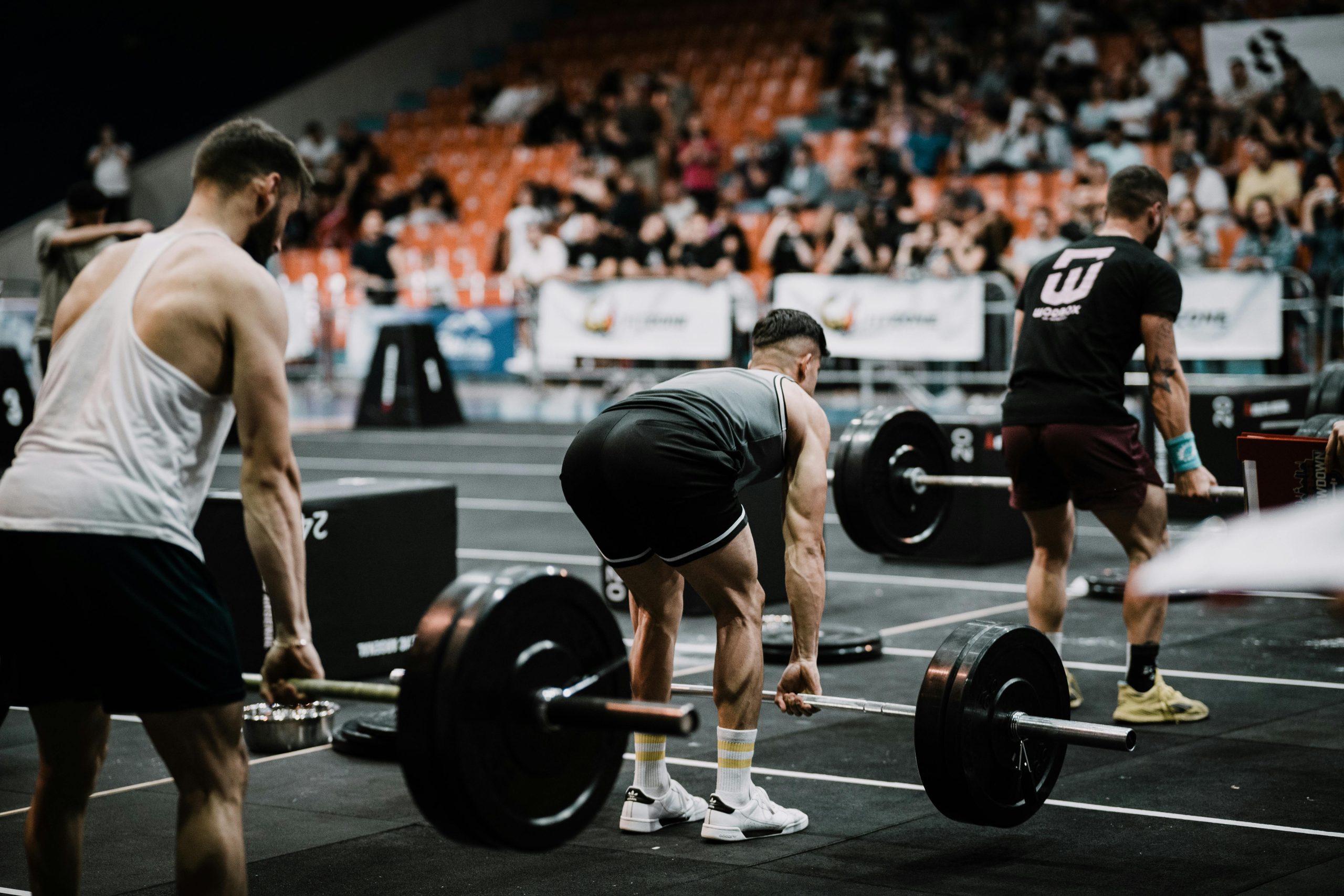
Strength training is your best friend.
Focus on compound exercises like squats, deadlifts, bench presses, and rows.
These moves recruit the most muscle groups and give you the best return for your time and effort.
Keep workouts short and focused.
Aim for 3–4 sessions a week and build in recovery time.
You don’t need long workouts—you just need the right kind.
Track your progress.
Whether it’s reps, weight, or how you feel after a workout, tracking helps you stay consistent and motivated.
Eat to Support Muscle and Hormones
Protein is essential for building muscle.
Try to get around 0.8 to 1 gram of protein per pound of body weight per day.
Spread it throughout the day, especially after workouts.
Don’t be afraid of healthy fats.
Your body uses dietary fat to make hormones, including testosterone.
Good sources include avocados, olive oil, eggs, nuts, and fatty fish.
Make sure you’re getting enough zinc, magnesium, and vitamin D.
These nutrients support both hormone balance and muscle repair.
Avoid crash diets or low-fat diets—they can actually make testosterone levels worse.
Don’t Ignore Recovery
Sleep is one of the most powerful tools for muscle growth and hormone balance.
Aim for 7 to 9 hours a night.
Manage your stress.
Chronic stress raises cortisol, which works against testosterone and can lead to muscle breakdown.
Find a routine that helps you wind down—whether it’s a walk, a podcast, or just time away from screens.
Cut back on alcohol.
It lowers testosterone and can slow your recovery even further.
When Natural Approaches Aren’t Enough
If you’ve been training, eating well, sleeping better—and you’re still not seeing results—it might be time to dig deeper.
Getting your testosterone levels tested can give you a clear picture of what’s going on.
If your levels are truly low, it may be difficult to make progress without medical support.
That’s where testosterone replacement therapy (TRT) can make a real difference.
How We Help at Elive Health & Aesthetics With TRT
At Elive Health & Aesthetics, we take a personalized approach to helping you feel stronger, more energized, and in control of your health.
We start by testing your hormone levels and learning about your goals.
If you’re a good fit for testosterone replacement therapy, we create a treatment plan that fits your lifestyle—not the other way around.
We don’t just stop at TRT.
We help you build a full strategy that includes training, nutrition, recovery, and ongoing support.
We monitor your progress, adjust as needed, and make sure you’re feeling good along the way.
If you’re ready to take the next step, contact us today.
What to Expect Over Time
Results don’t happen overnight, but with consistency and the right support, they do happen.
Here’s a general timeline:
- Within 4–6 weeks: Better energy and mood
- Within 6–12 weeks: Increased strength and better performance in the gym
- Within 3–6 months: Noticeable muscle gains and body composition changes
Whether you’re starting from scratch or trying to get your edge back, it’s possible to feel strong again.
Final Thoughts: Can You Build Muscle with Low Testosterone
Low testosterone doesn’t mean you can’t build muscle—it just means you need a smarter plan.
With the right training, food, rest, and possibly testosterone support, you can still get stronger, leaner, and feel more like yourself again.
If you’re ready to stop spinning your wheels and get real support, we’re here to help.
Let’s take the first step together.
Reach out to Elive Health & Aesthetics and find out how we can help you build muscle and feel your best—even with low testosterone.
FAQs: Can You Build Muscle with Low Testosterone
Can you still make gains with low testosterone?
Yes, you can still make muscle gains with low testosterone, but it often takes more time, consistency, and a targeted approach to training, nutrition, and recovery. Results may be slower compared to someone with balanced hormone levels, but progress is absolutely possible.
Is it safe to take testosterone if you have low testosterone?
When prescribed and monitored by a healthcare professional, testosterone replacement therapy (TRT) can be a safe and effective option for people with clinically low testosterone. Regular lab work and follow-up appointments are essential to keep the therapy safe and effective.
Can low testosterone be improved naturally?
In many cases, yes. Exercise, better sleep, stress management, weight loss, and dietary changes can help improve testosterone levels naturally. However, the extent of improvement depends on the individual and the underlying cause of low testosterone.
Does low testosterone ever go away?
Sometimes. If low testosterone is caused by lifestyle factors like poor sleep, high stress, or excess weight, it can improve with changes. But if it’s due to aging or a medical condition that causes hypogonadism, it may not resolve without medical intervention like TRT.
Does TRT help with muscle gain?
Yes, TRT can help improve muscle mass, strength, and workout recovery in people with low testosterone. It works best when combined with a proper fitness and nutrition plan.
What is HRT vs TRT?
HRT stands for hormone replacement therapy and refers to the broader use of hormones to treat imbalances, often for women during menopause. TRT, or testosterone replacement therapy, is a type of HRT specifically focused on restoring testosterone levels, typically in men.

Led by Christa Elza, Elive Health & Aesthetics discovers the hidden and underlying causes of your condition using functional medicine. We are doctors, nurses, and specialists all working collaboratively to provide comprehensive care tailored to each patient.