
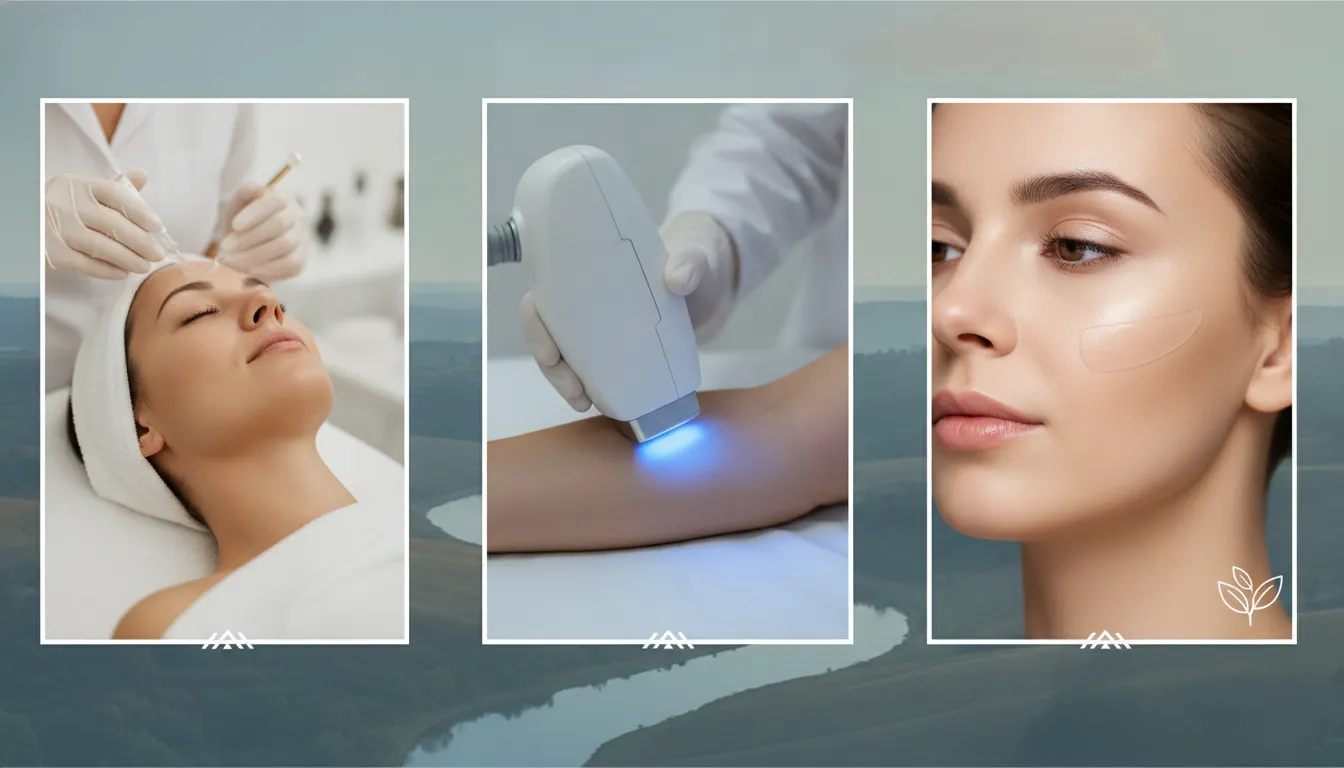
Finding the right aesthetic treatment can feel confusing when every practice offers a different menu. One clinic may specialize in injectables, while another focuses on lasers, microneedling, skincare, IV hydration, or a combination of services. If you are comparing aesthetic treatments New Braunfels TX, start by identifying the concern you want to address and the type of result you prefer. Do you want a subtle change, gradual improvement, or a treatment with little downtime? Your answers can help narrow your options. This guide explains how common treatments work, what questions to ask, how to review provider credentials, and when local or virtual care may be appropriate.
Key Takeaways
- Choose care based on your goals: Compare injectables, microneedling, laser treatments, peels, skincare, and wellness services by expected results, recovery time, maintenance, and personal fit.
- Check credentials and safety standards: Verify licenses, relevant experience, health screening, product sourcing, sanitation practices, consent forms, and follow-up procedures before treatment.
- Request clear pricing and care details: Ask for an itemized estimate, package terms, virtual care availability, required in-person visits, aftercare instructions, and guidance for reporting unexpected symptoms.
Which Aesthetic Treatments Are Available in New Braunfels, TX?
Aesthetic treatment options in New Braunfels include injectables, skin-resurfacing procedures, hair removal, facials, medical-grade skincare, and select wellness services. The exact menu varies by practice, provider credentials, equipment, and whether the service requires an in-person evaluation. Some clinics focus on injectables and skincare, while others offer laser treatments, microneedling, IV hydration, or a broader combination of services.
The right treatment depends on what you want to change. You may be hoping to soften expression lines, restore facial volume, improve acne scars, reduce unwanted hair, address pigmentation, or create a simpler skincare routine. A qualified provider should review your health history, examine the treatment area, discuss your expectations, and explain which options fit your goals. The American Academy of Dermatology’s cosmetic procedure guide offers helpful questions to consider before scheduling care.
When comparing providers, ask whether the service is performed locally in New Braunfels, whether eligible consultations or follow-ups are available virtually, and when an in-person examination is required. Licensure, the procedure itself, and your individual health needs determine which type of appointment is appropriate.
Wrinkle relaxers: Botox, Dysport, and Daxxify
Botox, Dysport, and Daxxify are brand-name injectable wrinkle relaxers made with botulinum toxin. They temporarily reduce muscle activity in selected areas, which can soften forehead lines, frown lines, and crow’s feet. Results are temporary, and the timing and duration can vary based on the product, dose, treatment area, and your individual response.
During a consultation, discuss how much movement you want to keep, which lines concern you, and whether you have had injectable treatments before. Share your medications, allergies, medical conditions, and any history of difficulty swallowing or breathing. Ask who evaluates you, prescribes the treatment, administers the injections, and handles follow-up care. The FDA’s information on botulinum toxin products explains why these treatments should come from qualified medical professionals using appropriate products.
Dermal fillers and biostimulators such as Sculptra
Dermal fillers can restore volume or refine the appearance of the cheeks, lips, chin, jawline, and folds around the mouth. Many fillers contain hyaluronic acid, while other products use different materials and have distinct uses. Sculptra is a biostimulator that supports gradual collagen production, so its results develop differently from the immediate volume provided by some fillers.
A thoughtful assessment should consider your facial structure, skin quality, symmetry, and desired result. Ask which product is recommended, whether it is approved for the area being treated, how long results may last, and what follow-up care involves. You should also understand possible side effects and what the practice would do if a complication occurred. The FDA’s guidance on dermal fillers covers product considerations and potential risks.
Microneedling for texture, acne scars, and collagen
Microneedling uses fine needles to create controlled micro-injuries in the skin. This process can support collagen production and may improve the appearance of uneven texture, enlarged pores, and some acne scars over a series of treatments. Your provider may pair microneedling with a skincare plan designed to support healing and maintain your results.
Treatment depth, device selection, technique, and aftercare all matter. Tell your provider about active acne, cold sores, eczema, psoriasis, recent sun exposure, medications, and any tendency to form raised scars. Microneedling may not be suitable for every skin condition or concern. The American Academy of Dermatology’s microneedling guidance explains what to ask about results, safety, and professional treatment.
Lasers and light treatments for hair removal, resurfacing, and pigmentation
Laser and light-based treatments may address unwanted hair, pigmentation, redness, uneven texture, or certain signs of skin aging. The device and settings should match your treatment goal, skin tone, hair color, and current skin condition. Some procedures involve minimal recovery, while resurfacing treatments may cause redness, peeling, or several days of downtime.
Ask which device will be used, who operates it, how many sessions are typically recommended, and what results are realistic. Your provider may also give you sun-protection instructions or adjust your skincare routine before treatment. Recent sun exposure can affect your candidacy and healing. The FDA’s information about cosmetic laser procedures provides useful background on safe use and potential risks.
Chemical peels, facials, and medical-grade skincare
Chemical peels use a selected solution to remove or loosen damaged outer layers of skin. Depending on the formula and strength, a peel may address dullness, uneven tone, acne, fine lines, or rough texture. Facials are generally gentler and may include cleansing, exfoliation, extractions, masks, or hydration-focused products.
Medical-grade skincare can complement in-office treatments, but the right products depend on your skin type, sensitivity, concerns, and treatment plan. Tell your provider about retinoids, exfoliating acids, prescription medications, allergies, and recent procedures. You may need to pause certain products before or after a peel. The American Academy of Dermatology’s information about chemical peels explains treatment types, recovery, and safety considerations.
IV hydration and wellness services at select med spas
Some New Braunfels med spas offer IV hydration or wellness services that deliver fluids, vitamins, or other ingredients through a vein. Availability, ingredients, screening requirements, and medical oversight vary by practice. These services may not be appropriate for people with certain heart, kidney, fluid-balance, or medication-related concerns.
Before booking, ask what the infusion contains, why each ingredient is recommended, who reviews your health history, and how the practice handles an adverse reaction. IV therapy should not replace an evaluation for symptoms that may point to an underlying medical condition. If a service includes compounded ingredients, review the FDA’s information about compounded drugs and ask the provider about sourcing, preparation, and oversight.
Match treatment, downtime, maintenance, and cost to your goals
Begin with the result you want, then compare treatments by recovery time, maintenance schedule, risks, and total cost. Wrinkle relaxers may require periodic appointments, while fillers and biostimulators follow different timelines. Microneedling, chemical peels, and laser treatments may require multiple sessions, and your home skincare routine can affect how well your skin tolerates them.
Ask for a written plan that lists the recommended procedure, treatment areas, expected number of sessions, downtime, aftercare, and all fees. Mention upcoming events or schedule restrictions during your consultation. If you prefer local appointments in New Braunfels, ask what must happen in person. If you are considering virtual care, confirm whether your location, licensure requirements, and the service itself allow it. A personalized recommendation should account for your health history, skin condition, budget, and comfort with ongoing maintenance, not just the lowest advertised price.
How Do You Compare New Braunfels Med Spas?
Choosing among New Braunfels med spas involves more than comparing treatment menus or searching for the lowest advertised price. Aesthetic care is still healthcare, so the practice you choose should offer appropriate clinical oversight, clear communication, and recommendations based on your needs. This matters whether you are considering wrinkle relaxers, dermal fillers, microneedling, laser treatments, skincare, or wellness services.
Start by identifying your goals. You may want to address fine lines, acne scars, uneven pigmentation, unwanted hair, skin laxity, or another concern. Then compare each practice’s services, qualifications, treatment setting, technology, pricing, and follow-up process. A thoughtful provider should explain which options may help, which may not be appropriate, and what results are realistic.
Consider whether care is available at a local New Braunfels office, virtually, or through a combination of both. Virtual care may be suitable for some consultations and follow-ups, but licensure and the service involved determine what can be provided remotely. Before booking, use the Texas Medical Board’s license verification tool to review a clinician’s current license status.
Compare services, specialties, and clinical settings
Review each med spa’s complete service list before scheduling. One practice may focus on injectables, while another may offer laser treatments, microneedling, medical-grade skincare, or wellness services. A longer menu is not automatically better. Look for services that match your goals and a team with relevant experience.
Ask where treatments take place and who evaluates you. Find out whether the setting is a medical office, aesthetic studio, or another facility, and whether a licensed medical professional is available when needed. If you live outside New Braunfels, confirm that the provider can legally treat you in your location and that the service is available under the applicable licensure requirements.
Review expertise in injectables, skin care, lasers, and wellness
Different treatments require different training and clinical judgment. For injectables, ask how often the clinician performs the specific procedure you are considering. General experience is helpful, but familiarity with the product, treatment area, facial anatomy, and potential complications matters too.
For lasers, microneedling, chemical peels, and skincare, ask which concerns the provider routinely treats and how your skin will be assessed. Wellness services may require a medical history review, screening, or prescribing decision. The practice should clearly explain who evaluates you, who performs the service, and when a medical provider becomes involved.
Choose personalized plans over one-size-fits-all packages
A treatment plan should reflect your anatomy, skin type, health history, goals, budget, and schedule. Be cautious if every patient receives the same combination of products or procedures. During a consultation, the provider should explain what may help, what may not be suitable, and whether waiting is a reasonable option.
Ask how progress will be assessed and when results may appear. Some treatments require several sessions, while others involve periodic maintenance. Your plan should outline the recommended sequence, downtime, expected results, and alternatives. Do not feel pressured to purchase a package before you understand why each service is being recommended.
Evaluate products, equipment, technology, and techniques
Ask which products and devices the practice uses and why they fit your goals. For injectables, request the product name and manufacturer, along with information about expected duration. For laser and light treatments, ask about the device, treatment settings, skin-tone considerations, and the clinician’s experience with that technology.
Product and equipment management also affect safety and consistency. The practice should follow manufacturer instructions, maintain devices appropriately, check expiration dates, and document product details when applicable. Be cautious of claims that a product or device works for everyone. A qualified clinician should explain likely benefits, limitations, and factors that may affect your results.
Compare local care with eligible virtual services
Virtual care can make consultations and follow-ups more convenient, but it cannot replace every in-person assessment or procedure. A video visit may help you discuss goals, review your health history, check progress, or decide whether an office appointment is appropriate. It may also help patients outside New Braunfels connect with a provider, subject to licensure and service requirements.
Ask which parts of care can be completed virtually and which must take place at the office. The Texas Medical Board’s telemedicine guidance outlines applicable requirements for physicians providing telemedicine in Texas. A reputable practice should explain these limits clearly instead of suggesting that every service can be handled remotely.
Confirm when exams, prescriptions, or procedures require in-person care
Some services require a physical examination, close skin assessment, vital signs, or another hands-on evaluation. Injections, laser treatments, microneedling, and chemical peels also require an appropriate in-person setting. If a prescription is involved, the provider may need more information about your health and determine whether the medication is suitable.
Before booking, ask what happens during the initial visit and whether you will meet with a prescribing clinician or another qualified professional. Confirm who makes the treatment decision, where the exam takes place, and whether follow-up must happen in person. If virtual care is available, the practice should explain its limits and tell you when an office visit is necessary.
Assess consultations, communication, facility standards, and aftercare
A consultation can reveal how a med spa approaches patient care. The clinician should ask about your medical history, medications, allergies, skin conditions, previous procedures, and goals. They should also explain expected results, risks, discomfort, downtime, maintenance, and alternatives without rushing your decision.
Look for a clean, organized facility with appropriate infection-control practices and private treatment areas. Before scheduling, ask what aftercare instructions you will receive, whom to contact with questions, and how unexpected symptoms are handled. A reliable practice should provide written guidance and a clear follow-up plan. You can also review the FDA’s information about dermal filler risks before an injectable consultation.
What Qualifications and Safety Standards Matter?
Choosing an aesthetic provider involves more than comparing treatment menus and prices. The right practice should explain who provides your care, what training they have, which products they use, and how they handle possible complications. These standards matter whether you visit a New Braunfels clinic or receive eligible virtual care for services that do not require an in-person examination or procedure.
Before booking, ask direct questions and notice how the team responds. A qualified practice should welcome informed questions, explain its process clearly, and avoid promising identical results for every patient. You can also review professional credentials through the Texas Medical Board, depending on the type of licensed professional involved.
Verify Texas licenses and scopes of practice
Confirm that everyone involved in your care holds an active Texas license appropriate to their role. Physicians, nurse practitioners, physician assistants, registered nurses, aestheticians, and other professionals may have different education requirements and permitted duties. The person performing your treatment should be authorized and properly trained for that service.
You can use the Texas Medical Board’s license verification tool to review physician credentials and disciplinary information. Other professionals may fall under different Texas regulatory agencies, so ask the practice which board oversees each team member. The clinic should also explain who evaluates you, who prescribes treatment when necessary, and who performs the procedure. If staff cannot provide clear answers, pause before scheduling.
Ask who evaluates, prescribes, supervises, and performs treatment
Find out who completes your assessment, decides whether a treatment is appropriate, prescribes products when required, and performs the service. These responsibilities may belong to different people. Ask whether a physician, nurse practitioner, physician assistant, registered nurse, or another qualified professional is involved, and how supervision works.
This information is particularly important for injectables, prescription skincare, hormone-related services, and treatments that may require a medical evaluation. If you receive virtual care, ask which clinician reviews your information and when an in-person visit becomes necessary. A trustworthy practice should explain its care structure in plain language instead of referring vaguely to a “medical team.” You should know who to contact with questions before and after treatment.
Check training and experience with each product or procedure
Training should match the treatment you are considering. Ask how often the provider performs the procedure, what education they completed, and whether they have experience with your skin type, concerns, and goals. A provider may have extensive experience with injectables but less experience with lasers, microneedling, or chemical peels.
For injectable treatments, ask which products the provider uses and why they selected them. For lasers and light treatments, ask about the device, treatment settings, eye protection, and experience with a range of skin tones. You can also request consented before-and-after photos showing comparable cases. Photos are most useful when they identify the procedure, treatment area, number of sessions, and time between treatment and follow-up.
Expect screening for health history, medications, allergies, pregnancy, and skin conditions
A careful consultation should cover your medical history, medications, allergies, pregnancy or breastfeeding, previous aesthetic treatments, and current skin condition. The provider should also ask about active infections, cold sores, scarring concerns, recent procedures, and any condition that could affect healing or bruising.
Share this information accurately, even if a detail seems unrelated. Blood thinners, certain supplements, acne medications, immune conditions, and recent sun exposure may affect whether a treatment is appropriate. The FDA’s guidance on dermal fillers explains why patients should understand potential risks and seek treatment from a licensed, experienced professional. Do not feel pressured to proceed if the provider skips health screening.
Confirm product sourcing, expiration checks, and lot tracking
Ask where products come from and whether the practice records the manufacturer, expiration date, and lot number. This applies to dermal fillers, wrinkle relaxers, prescription products, chemical peels, and other materials used on or in the skin. Products should arrive through appropriate supply channels and remain sealed until they are ready for use.
The clinic should identify the product before treatment and answer reasonable questions about its intended use. Lot tracking allows the practice to determine exactly what was used if a product safety notice or concern arises. Be cautious if staff cannot identify a product, offer an unusually low price without explaining why, or suggest using a product intended for a different purpose. Keep any product information provided in your records.
Look for sterile techniques and infection-control practices
Pay attention to the treatment area before your appointment begins. It should appear clean, organized, and prepared for the service. The provider should wash or sanitize their hands, use fresh gloves when appropriate, and open sterile needles or other single-use items in front of you. Needles, syringes, and lancets should never be reused.
For services that puncture or break the skin, ask how surfaces, equipment, and reusable tools are cleaned between patients. The CDC’s infection-control guidance explains why cleaning and disinfection procedures matter in outpatient care settings. Staff should also provide instructions for keeping the treated area clean afterward. If the environment or technique seems unhygienic, postpone treatment and raise your concerns.
Ask about emergency and complication protocols
Ask what happens if you experience an unexpected reaction after treatment. Find out who you should call during and outside regular business hours, how urgent concerns are assessed, and when you should seek emergency care. The practice should have procedures and supplies appropriate for the services it provides.
For injectable treatments, ask how the team responds to serious complications, such as signs of vascular occlusion or an allergic reaction. For lasers, peels, and microneedling, ask how the provider handles burns, infection, prolonged swelling, or changes in pigmentation. A practice should explain warning signs in advance and provide clear instructions for reaching help. Good preparation cannot eliminate every risk, but it shows that the team takes patient safety seriously.
Review consent forms, risks, aftercare, and follow-up
Read the consent form before treatment, not while you are already in the treatment room. It should describe the procedure, expected benefits, common side effects, significant risks, alternatives, and symptoms that may require medical attention. You should have enough time to ask questions and make a decision without pressure.
Request written aftercare instructions and ask whether follow-up is included in the quoted price. Confirm when you can return to exercise, makeup, sun exposure, or other activities, and whether additional sessions may be needed for your goals. Ask how the practice handles touch-ups, unexpected symptoms, and follow-up appointments. A reliable provider will explain realistic timelines and tell you how to report concerns after you return home.
What Do Reviews Reveal About Aesthetic Care?
Reviews can help you understand what it is like to work with an aesthetic practice in New Braunfels, TX. They may reveal how clearly the team communicates, whether appointments feel organized, and how the practice handles questions after treatment. Look for patterns across multiple reviews instead of relying on one especially positive or negative experience.
Reviews are only one part of your research. A patient’s outcome can vary based on their health history, skin condition, treatment plan, product, technique, and aftercare. Before booking, compare patient feedback with the provider’s credentials, services, safety procedures, and consultation process. If you are considering virtual care, also confirm whether the service is appropriate for remote evaluation and available under the provider’s licensure.
Look for consistent feedback on communication and professionalism
Pay attention to repeated comments about communication before, during, and after appointments. Reviews that mention clear explanations, attentive listening, punctuality, and respectful treatment can offer useful insight into the patient experience. A thorough consultation should include your goals, medical history, treatment options, realistic results, and possible risks.
Look for signs that the provider answers questions without rushing you. Patients may also describe whether the team explains preparation and aftercare in plain language. One glowing review provides limited information, while a consistent pattern across several reviews may be more helpful. If multiple patients mention thoughtful consultations and professional interactions, the practice may place strong emphasis on patient communication.
Assess comments about comfort, expectations, results, and recovery
Reviews can help you learn how patients describe the practical experience of treatment. Look for comments about discomfort, swelling, bruising, redness, downtime, and how long results took to appear. These details can help you prepare questions, but they cannot predict exactly how you will respond. Your experience may differ based on the treatment, product, skin condition, health history, and technique.
Notice whether reviewers say the provider explained what to expect instead of promising a specific result. A responsible practice should discuss benefits, limitations, side effects, and maintenance. The American Academy of Dermatology’s information about cosmetic procedures can help you understand why consultation, recovery, and results vary between patients.
Review consented before-and-after photos with dates and treatment details
Before-and-after photos may show how a provider approaches specific treatments, but the images need context. Look for the treatment area, number of sessions, products or devices used, and approximate time between photographs. Photos are easier to compare when they use similar lighting, camera angles, facial expressions, and makeup conditions.
Ask whether the images show actual patients who consented to their use. A gallery featuring only dramatic outcomes may not represent the full range of results. Find out whether a photo reflects one treatment or a larger plan involving skincare, multiple procedures, or maintenance visits. The FDA’s information about dermal fillers explains why product selection and provider experience deserve careful consideration.
Compare independent reviews with provider testimonials
A practice website may feature testimonials from patients who had positive experiences, but the business chooses which statements to publish. Compare those testimonials with reviews on independent platforms for a broader perspective. Focus on recurring themes instead of giving too much weight to the highest or lowest rating.
When reading testimonials, consider whether the patient identifies the service, treatment area, and general experience. Be cautious if every statement sounds nearly identical or makes unusually broad claims. The Federal Trade Commission’s guidance on endorsements explains why testimonials should represent honest experiences and disclose relevant connections. Reviews also cannot confirm a provider’s credentials, so verify that information separately.
See how the practice responds to concerns
A practice’s response to feedback can offer insight into its communication style. Look for replies that remain respectful, protect patient privacy, and invite the reviewer to continue the conversation privately. A thoughtful response does not need to agree with every complaint, but it should avoid arguing, dismissing concerns, or revealing personal information.
Consider whether the practice responds to practical issues such as appointment delays, billing questions, follow-up care, or difficulty reaching the office. Public responses cannot provide a complete picture of what happened clinically, and providers should not discuss private medical details online. Instead, look for signs of accountability, professionalism, and a willingness to help address concerns appropriately.
Watch for guarantees, pressure sales, and broad claims
Be cautious when reviews or promotional content promise perfect results, permanent outcomes, or a specific appearance for every patient. Aesthetic treatments involve individual variables, and responsible providers should explain uncertainty, possible risks, alternatives, and maintenance needs when applicable.
Pay attention to pressure tactics, including claims that you must book immediately, purchase a large package, or add several treatments to receive proper care. You should have enough time to ask questions and make a decision without feeling judged. The Texas Medical Board’s consumer resources can help you learn more about checking physician information and raising questions about medical care in Texas.
Use reviews with credentials, safety standards, and consultation quality
The most useful reviews support, rather than replace, your own provider research. After reading about communication and treatment experiences, verify who will evaluate you, prescribe when needed, and perform the procedure. Ask about training with the specific product, device, or technique you are considering, along with the practice’s approach to screening, follow-up, and urgent concerns.
The Texas Medical Board’s license verification tools can help you check physician credentials. Depending on the service, other licensed professionals may participate, so ask how responsibilities are assigned and supervised. During a consultation, confirm that the practice reviews your medications, allergies, health conditions, previous procedures, and treatment goals before recommending care.
Aesthetic Treatment Costs, Promotions, and Packages
The cost of aesthetic care in New Braunfels depends on more than the treatment name. Your estimate may reflect the treatment area, product or device used, number of sessions, provider experience, and follow-up care. A consultation gives you an opportunity to discuss your goals and understand the recommended plan before you commit to treatment.
When comparing med spas and aesthetic practices, look beyond the advertised starting price. Ask what the quote includes, whether you may need more than one appointment, and how long results typically last. You can also ask whether in-person assessment is required before treatment and whether eligible virtual care is available for follow-up or related services.
A practice that combines medical guidance with aesthetics and artistry, such as Good Medicine Aesthetics, can help you understand how a treatment works and what results may be realistic. Clear education makes it easier to compare care based on safety, fit, and expected value rather than price alone.
Learn how areas, units, products, sessions, and expertise affect cost
Treatment pricing may depend on the number of areas treated, product quantity, units used, or sessions required. Wrinkle relaxers are often priced by unit or treatment area, while dermal fillers may be priced by syringe. Microneedling, laser treatments, and chemical peels may involve a series of appointments instead of one visit.
Provider expertise can also affect the fee. Ask who evaluates you, who performs the treatment, and how much experience they have with the specific product or procedure. A qualified provider should explain why a certain amount, device, or number of sessions is appropriate for your goals. Request an estimate that separates the treatment cost from optional products or services.
Compare complete plans instead of single-session prices
A single-session price may not show the full cost of reaching or maintaining your goal. Ask whether the plan includes the consultation, preparation, treatment, aftercare, follow-up, and future maintenance. Some services may be appropriate as a one-time appointment, while others often require several visits.
Request an itemized plan from each provider so you can compare similar services. Ask what results the plan is intended to address and when you may see them. A personalized approach, such as the treatment planning described by Divine Aesthetics Studio, can account for your skin, facial anatomy, health history, and desired outcome instead of placing you into a standard package.
Ask about consultation, product, touch-up, cancellation, and follow-up fees
Before booking, ask which services are included in the quoted price. Confirm whether the consultation is complimentary or billed separately, and whether the estimate covers the product, treatment area, supplies, and follow-up visit. If touch-ups are available, ask when they are performed, who decides whether one is appropriate, and whether an additional fee applies.
Review the practice’s cancellation and rescheduling policy before you reserve an appointment. Ask whether late cancellations, missed visits, or extra follow-up appointments carry charges. You can also ask how the practice handles questions after treatment. Patient reviews that mention clear explanations and personalized attention may offer useful context, but confirm all policies directly with the provider.
Review membership, discount, promotion, and package expiration terms
Memberships and packages may lower the per-visit cost, but they are only useful when the services fit your needs and schedule. Read the terms before purchasing. Check whether benefits apply to every treatment, selected services, specific products, or certain providers. Ask whether discounts can be combined with other promotions.
Some medical spas offer percentage discounts on IV hydration, injectables, facials, microneedling, chemical peels, or skincare products. Good Medicine Aesthetics lists member discounts for several of these services, though terms may change. Confirm the expiration date, payment schedule, cancellation rules, transfer restrictions, and whether unused visits or account credits expire.
Confirm current offers, eligibility, and restrictions with the provider
Promotional pricing may apply only to new patients, selected treatment areas, specific products, or appointments booked during a limited period. Ask whether the offer covers the complete service or only part of it. Confirm whether taxes, supplies, consultation fees, follow-up visits, and recommended skincare are included or billed separately.
Eligibility may depend on your health history, medications, skin condition, pregnancy status, or the service you are considering. A practice that combines wellness and aesthetic services, such as RN Drips & Aesthetics, should explain which offers may be appropriate for you. Request the current terms in writing before paying for a package, membership, or prepaid series.
Separate optional add-ons from recommended care
Ask the provider to identify which parts of the plan are recommended for your primary concern and which are optional enhancements. Add-ons may include extra products, additional treatment areas, upgraded skincare, or complementary services. You should be able to decline an optional service without feeling pressured.
A thorough consultation should explain the purpose, expected benefit, possible risks, and added cost of each recommendation. If the plan changes during your appointment, pause and request a revised total before agreeing. You can also ask whether a simpler plan could address your main concern first. Taking one step at a time may help you assess your response before committing to additional care.
Choose safe, qualified, personalized care over the lowest price
The lowest advertised price does not always represent the best value. Compare the provider’s credentials, experience with the procedure, product sourcing, facility standards, consultation process, and aftercare support. Ask who evaluates you, who performs the treatment, and how the practice responds to unexpected symptoms or complications.
Personalized care should account for your health history, skin or facial concerns, goals, budget, and comfort with downtime. A qualified provider should explain alternatives and give you time to ask questions before treatment. The medical and aesthetic approach described by Good Medicine Aesthetics shows why informed decision-making matters. Choose care that fits your needs and supports realistic expectations, rather than selecting a service based on a promotion alone.
How Do You Prepare for an Aesthetic Treatment Consultation?
A thoughtful consultation helps you and your provider decide whether a treatment fits your goals, health history, and schedule. Before your appointment, write down the concerns you want to address, gather an updated list of medications, and note any previous aesthetic procedures. You do not need to choose a treatment in advance. Your provider should explain suitable options and help you make an informed decision.
A personalized plan matters because the same procedure may not suit every patient. Your skin condition, medical history, lifestyle, facial structure, and expectations all influence the recommendation. Practices such as Good Medicine Med Spa emphasize individualized care that considers more than the visible concern. Preparing a few questions ahead of time can help you use the consultation effectively and feel more confident about your choices.
Discuss your concerns, lifestyle, skin health, and goals
Start by describing what you would like to change or improve. You might be concerned about fine lines, uneven pigmentation, acne scarring, facial volume, unwanted hair, or skin texture. Reference photos can help explain your preferences, but your provider should focus on your features and desired outcome rather than copying someone else’s result.
Share details about your skincare routine, sun exposure, exercise habits, work schedule, and upcoming events. These factors may affect treatment timing and aftercare. Also explain whether you prefer subtle, gradual changes or a more noticeable result. Clear goals help your provider recommend care that suits you instead of suggesting a standard package.
Share medications, allergies, previous procedures, and health conditions
Bring a complete list of prescription medications, over-the-counter drugs, supplements, and topical products. Tell your provider about allergies, cold sores, bleeding or clotting concerns, autoimmune conditions, diabetes, pregnancy or breastfeeding, and active skin infections or irritation. Do not leave out information because it seems unrelated to aesthetics.
Discuss previous injectables, fillers, lasers, peels, surgeries, and other procedures, including approximate dates and any complications. Earlier treatments can affect product placement, skin sensitivity, healing, and the timing of future care. Honest disclosure helps your provider screen for potential contraindications and create a safer, more appropriate plan.
Review options, alternatives, timelines, and expected results
Ask which treatments may address your concern and why your provider recommends one option over another. Depending on your goals, possibilities may include wrinkle relaxers, dermal fillers, microneedling, laser or light treatments, chemical peels, and medical-grade skincare. Ask whether a combination plan is necessary or whether one treatment may be enough.
Discuss how many sessions you may need, when results may appear, and how long they may last. Some treatments create gradual changes over several weeks, while others show an earlier effect. Ask whether results depend on maintenance visits, skincare, sun protection, or lifestyle changes. A treatment planner from Good Medicine Med Spa can help you organize your concerns before meeting with a provider.
Clarify benefits, risks, discomfort, downtime, and maintenance
Ask your provider to explain the expected benefits as well as the possible drawbacks. Questions about swelling, bruising, redness, tenderness, peeling, sensitivity, infection, pigment changes, and other complications are appropriate. You should also know what discomfort to expect and whether numbing cream or another comfort measure may be available.
Find out when you can return to work, exercise, apply makeup, use active skincare products, or attend an event. Ask how to care for the treated area and which symptoms require a call to the practice. Be cautious of guaranteed results. A qualified provider should set realistic expectations and discuss the goal of natural-looking care, a priority noted by Divine Aesthetics Studio.
Determine when an in-person assessment is necessary
Some services require an in-person evaluation because the provider needs to examine your skin, facial anatomy, treatment area, or overall health. Injectables, device-based procedures, prescription treatments, and care for a new or concerning skin issue may require a local assessment. An in-person visit also lets the provider check for active irritation, infection, scarring, or other factors that could change the treatment plan.
Ask whether you need an exam before scheduling treatment or whether the consultation can happen first. The answer depends on the service, your health history, and the clinician’s judgment. RN Drips & Aesthetics explains that consultation and medical screening may be needed to identify an appropriate treatment approach.
Ask when virtual consultations or follow-ups may work
Virtual care may be useful for discussing goals, reviewing medical history, learning about skincare, or deciding whether an in-person visit is appropriate. It may also support certain follow-up conversations when your provider can safely assess your progress through photos or video. A virtual appointment cannot replace every physical exam or procedure, however.
Before booking, ask whether the provider is licensed to treat you where you are located and whether the service is permitted virtually. Requirements can vary by state and treatment. For patients in New Braunfels, virtual care may complement local appointments, while services requiring hands-on evaluation must take place in person. Ask what happens if the provider needs more information after the virtual visit.
Ask about credentials, products, aftercare, and urgent concerns
Confirm the clinician’s license, role, training, and experience with the specific treatment you are considering. Ask who evaluates you, who prescribes or oversees care when applicable, and who performs the procedure. You can also ask which product or device will be used, how it is sourced, and whether the practice records details such as lot numbers and expiration dates.
Before treatment, request written aftercare instructions and a direct contact method for questions. Ask which symptoms are expected and which require prompt attention. Severe or worsening pain, spreading redness, significant swelling, fever, breathing difficulty, vision changes, or other concerning symptoms warrant urgent medical attention. Licensed professionals should provide clear information about risks, recovery, and follow-up, as reflected in the patient-focused approach described by Divine Aesthetics Studio.
How Do You Book Personalized Care in New Braunfels or Virtually?
Booking aesthetic care should feel clear, comfortable, and unhurried. Whether you are considering wrinkle relaxers, dermal fillers, microneedling, skincare, or a wellness service, begin with a consultation that connects your goals with your health history. A qualified provider should explain which options may fit your needs, what results are realistic, and whether an in-person assessment is necessary.
Before scheduling, review the practice’s services, provider credentials, consultation process, and care setting. Some practices focus on aesthetic treatments, while others combine aesthetics with wellness services, such as those offered by RN Drips & Aesthetics. A New Braunfels practice may provide local appointments, while virtual care may be available for eligible consultations, follow-ups, or other services, depending on Texas licensure and the care required.
Use the steps below to prepare for a productive appointment and a safer treatment experience.
Prepare questions and an updated treatment and medication history
Write down what you would like to improve, how quickly you hope to see results, and how much downtime you can manage. Ask about treatment options, expected changes, risks, maintenance, and alternatives. You may also want to ask whether your concern could have a medical cause that requires a different evaluation.
Prepare an updated list of prescription medications, over-the-counter products, vitamins, supplements, allergies, and relevant health conditions. Include previous aesthetic treatments, surgeries, reactions, and the dates of recent injections or procedures. Tell the provider if you are pregnant, breastfeeding, planning a procedure, or managing an active skin condition.
A thorough consultation should include education about how treatments work and what results to expect, as described by Good Medicine Med Spa. Clear information helps you make a decision based on your goals rather than pressure.
Confirm the provider, procedure, product, treatment areas, and total cost
Before booking, confirm who will evaluate you and perform the treatment. Ask about that provider’s license, training, experience with the specific procedure, and supervision arrangements, if applicable. You should also know the exact product or device being recommended, the treatment areas, the number of sessions, and the expected timeline.
Costs can be difficult to compare when one practice charges by area, another charges by unit, and another sells a package. Ask whether the quote includes the consultation, product, supplies, follow-up, touch-ups, and maintenance appointments. Request the total expected cost in writing.
A practice may offer several services, including Botox, dermal fillers, facials, chemical peels, and skincare products. Confirm which service is appropriate for your concern instead of assuming a familiar brand or popular procedure is the right fit.
Review pre- and post-treatment instructions before booking
Ask for written instructions before committing to an appointment. Preparation can vary based on the procedure, your medications, your skin condition, and your medical history. The provider may discuss products to pause, activities to avoid, sun exposure, alcohol, or other factors that could affect treatment or recovery. Do not stop a prescribed medication unless the clinician who manages it tells you to do so.
Post-treatment guidance should explain expected redness, swelling, tenderness, peeling, bruising, or sensitivity, along with the usual recovery period. Ask when you can exercise, apply makeup, resume skincare products, or return for other treatments.
Because aesthetic care combines medical guidance with technique and artistry, Good Medicine Med Spa provides an example of the type of education patients may want before booking. If instructions are vague, ask for clarification or consider another practice.
Book in-person care for required exams and procedures
Some services require a hands-on assessment, an in-person examination, or treatment at a properly equipped facility. Injectable treatments, certain devices, skin procedures, and services involving a possible medical diagnosis may not be appropriate for a virtual visit alone. An in-person appointment also allows the provider to assess skin quality, facial movement, anatomy, and treatment areas directly.
Confirm whether your first appointment includes a consultation, treatment, or both. Ask how long the visit will take and whether you need to arrive early for paperwork or screening. Some practices operate by appointment only, as Divine Aesthetics Studio explains, so schedule enough time for a complete discussion rather than a rushed visit.
For patients in New Braunfels, local care can make follow-up easier, especially when a procedure involves swelling, sensitivity, or a planned reassessment. Choose a setting where you feel comfortable asking questions before treatment begins.
Use virtual care when licensure and service requirements allow
Virtual care may be useful for an initial conversation, treatment planning, medication questions, skincare guidance, or follow-up when a physical examination is not necessary. It can also help you determine whether an in-person visit is the appropriate next step. Availability depends on the provider’s license, your location during the appointment, and the service requested.
Tell the practice where you will be physically located when the appointment takes place. A provider may be able to treat patients virtually in Texas but not in another state, or may offer only certain services across state lines. The practice should explain these limits before scheduling.
Virtual care does not replace an in-person evaluation when the provider needs to examine your skin, assess anatomy, confirm a diagnosis, or perform a procedure. Services that combine aesthetics and wellness, such as those described by RN Drips & Aesthetics, may have separate requirements for each type of care.
Schedule follow-up and maintenance appointments
Ask when the provider wants to see you after treatment and what the follow-up visit will cover. Some treatments need a check-in to assess healing, discuss results, or determine whether additional care is appropriate. Others involve a series of appointments spaced several weeks apart. If timing matters for your plan, schedule the next visit before you leave.
Maintenance varies by treatment, product, skin condition, and individual response. A provider should explain how long results commonly last without promising a specific outcome. Keep a record of treatment dates, products, amounts, treatment areas, and any reactions. This information can help future providers make informed recommendations.
Ask whether the practice offers memberships or maintenance programs, and review the terms carefully. For example, Good Medicine Med Spa references member discounts on injectables, facials, microneedling, chemical peels, and skincare products. Confirm expiration dates, cancellation rules, eligible services, and whether unused benefits carry forward.
Know when and how to report unexpected symptoms
Before treatment, ask which symptoms are expected and which require a call. You should leave with a phone number, after-hours instructions, and guidance on who handles urgent concerns. A reputable practice should welcome questions after an appointment and explain how quickly the team typically responds.
Contact the provider promptly about symptoms that are severe, worsening, unusual, or different from the instructions you received. Seek emergency care for serious symptoms such as trouble breathing, chest pain, fainting, sudden weakness, confusion, or swelling that affects the airway. Do not wait for a routine follow-up if you believe you are experiencing an emergency.
Ask whether you should send a photo, attend an in-person assessment, or speak with another clinician. Practices that care for concerns including aesthetics, metabolic health, and internal medicine may have different follow-up pathways, as reflected in the team information from Good Medicine Med Spa. Keep your discharge instructions and product details available if you need to report a reaction.
Frequently Asked Questions
What aesthetic treatments are available in New Braunfels, TX?
Local practices may offer wrinkle relaxers, dermal fillers, biostimulators, microneedling, laser and light treatments, chemical peels, facials, medical-grade skincare, hair removal, and select wellness services. Availability depends on the practice, provider credentials, equipment, and your treatment goals.
How do I choose the right aesthetic treatment?
Start with the concern you want to address, such as fine lines, volume loss, acne scars, pigmentation, unwanted hair, or uneven texture. During a consultation, a qualified provider should review your health history, examine the treatment area, discuss your expectations, and explain suitable options, risks, recovery, and maintenance needs.
Can aesthetic consultations or follow-ups be completed virtually?
Some consultations, skincare discussions, and follow-ups may be available virtually. Injectable treatments, device-based procedures, and services requiring a physical examination must generally take place in person. Availability depends on your location, the provider’s licensure, and the service requested.
What should I check before booking a med spa?
Confirm who will evaluate you, prescribe treatment when needed, and perform the procedure. Review the provider’s license, training, experience with the specific product or device, infection-control practices, product sourcing, aftercare instructions, and process for handling unexpected symptoms. Request a written estimate that includes treatment, follow-up, and any potential additional fees.
How much do aesthetic treatments cost?
Pricing varies based on the treatment area, product, number of units or sessions, provider experience, and maintenance plan. Ask whether the consultation, supplies, follow-up, touch-ups, skincare, and other services are included. If you are considering a promotion, membership, or package, review its expiration date, eligibility rules, cancellation policy, and total cost before paying.
